
Affordable housing solutions in Queensland
A practical path to a more affordable modular home.
Affordability is about the complete project—not just the building price. A clear design, realistic site allowance and early planning help you make better decisions from the start.
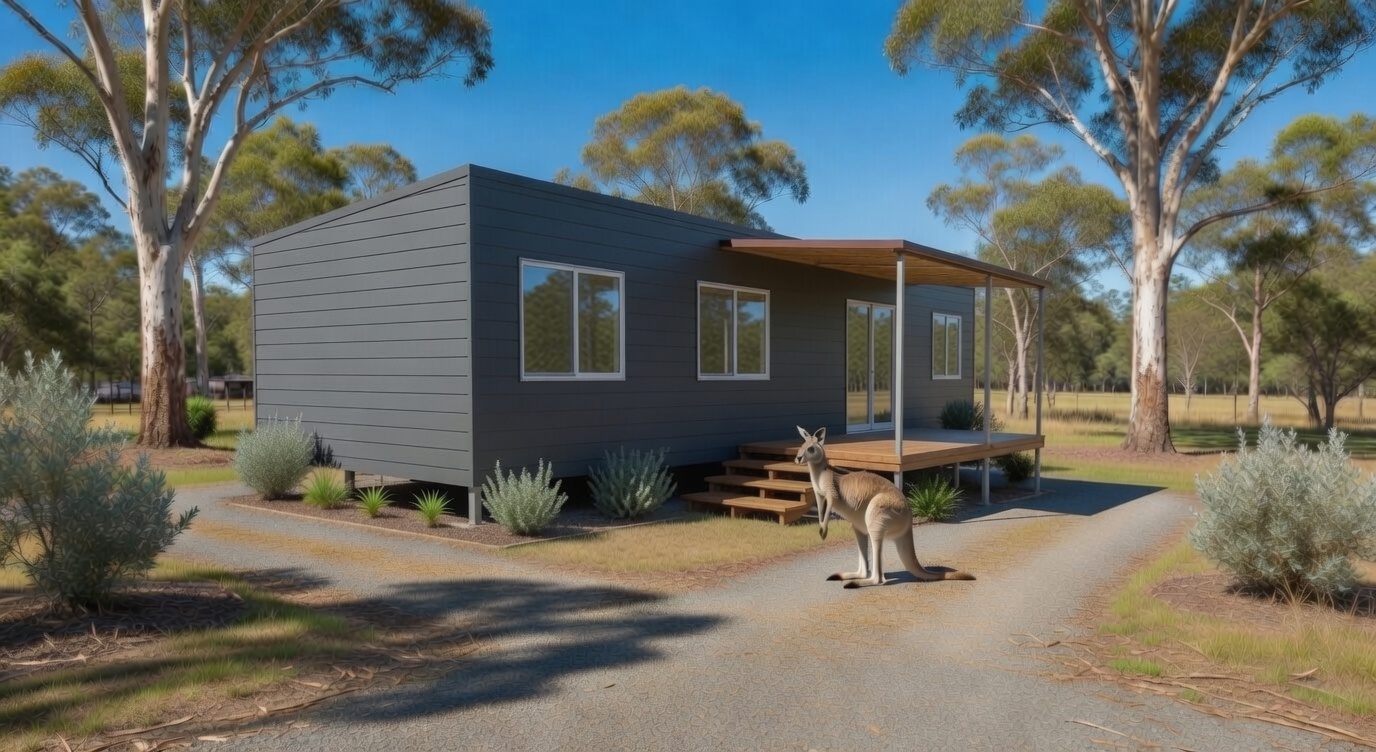
Start with the whole project
What does “affordable” really mean?
A low advertised price does not always mean a low total project cost. The home, delivery, installation, approvals, site preparation, services and chosen finishes all contribute to the final budget.
- Choose a floor plan that fits your needs without unnecessary area.
- Separate standard inclusions from optional upgrades.
- Understand what work is required on the property.
- Keep a sensible contingency for unknowns and changes.
The six main cost drivers
Plan more than the modular home price.
Every property is different. These are the areas that most often change the total project budget and should be discussed before comparing proposals.
Home size and layout
More floor area, bedrooms, bathrooms and complex junctions generally require more materials, labour and services.
Site preparation
Clearing, levels, foundations, drainage and ground conditions affect the work required before installation.
Access and delivery
Road access, turning space, overhead obstructions, crane position and distance all need to be considered.
Approvals and consultants
Planning, building approval, engineering and specialist reports vary with the property and proposed use.
Services and connections
Power, water, wastewater, stormwater, communications and connection distances can materially affect cost.
Inclusions and finishes
Flooring, cabinetry, appliances, decks, accessibility features and colour selections should be compared consistently.
Choose the space that fits
Different ranges for different priorities.
The most affordable solution is often the one that meets the real brief without adding rooms or features you do not need.
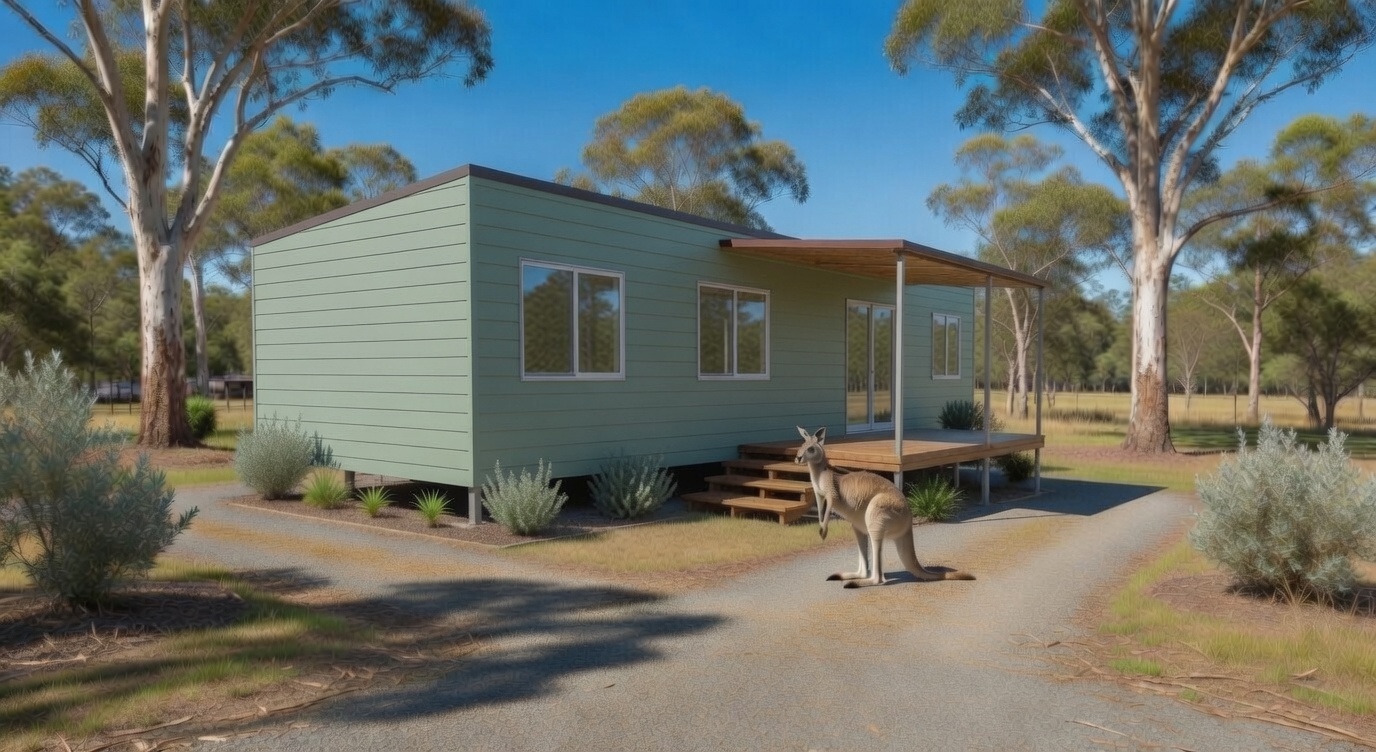
Gumnut
One- and two-bedroom options for independent living, guest accommodation or a smaller footprint.
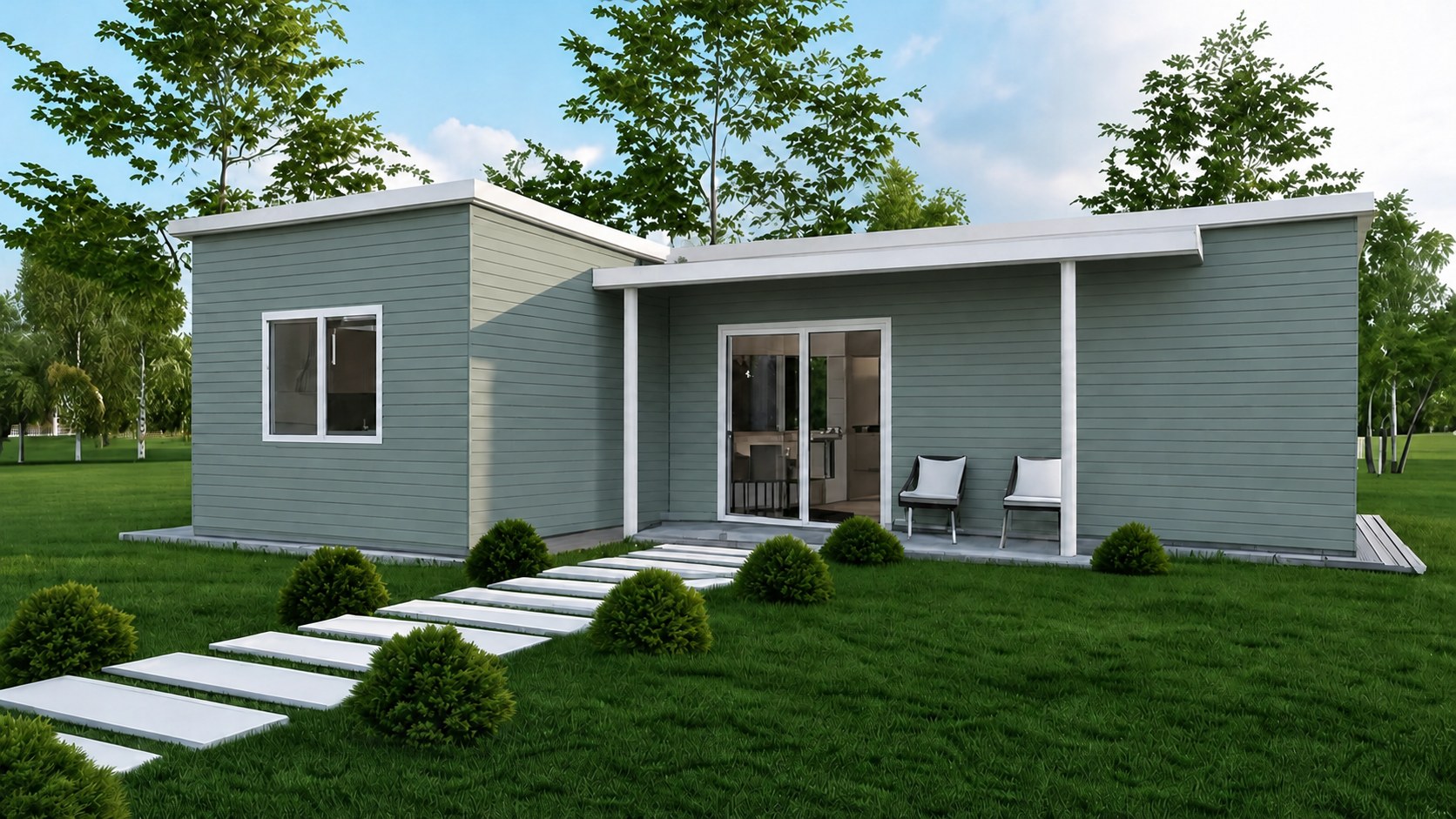
Grevillea
A flexible range for buyers who need additional bedrooms, living space or a larger configuration.
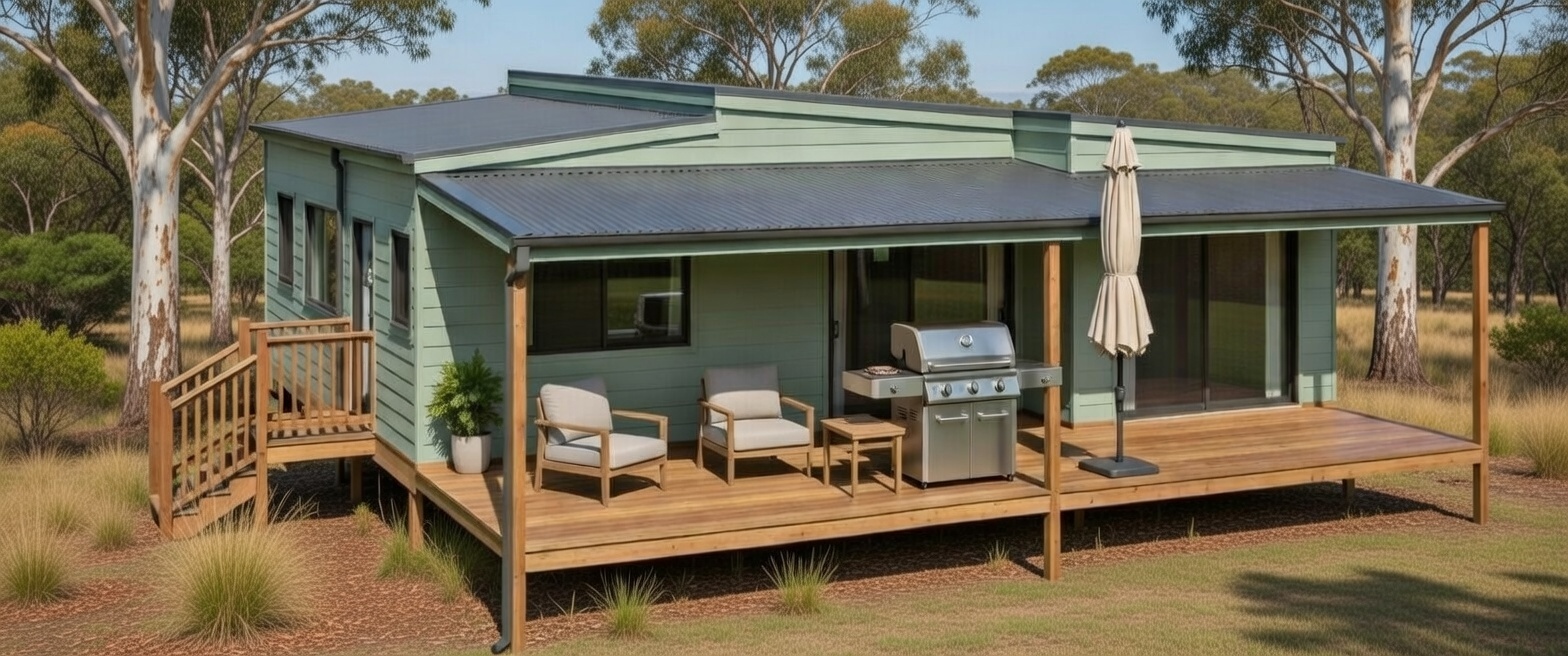
Acacia
A generous home range with a welcoming covered outdoor living area and family-focused layout.
A clearer planning process
Four steps before choosing a home.
Define the brief
List the bedroom count, accessibility needs, preferred living spaces and future plans.
Review the property
Check access, levels, services, planning considerations and likely site preparation.
Build the full budget
Allow for the home, approvals, delivery, installation, connections and external works.
Compare like for like
Confirm inclusions, exclusions, assumptions, allowances and responsibilities in writing.
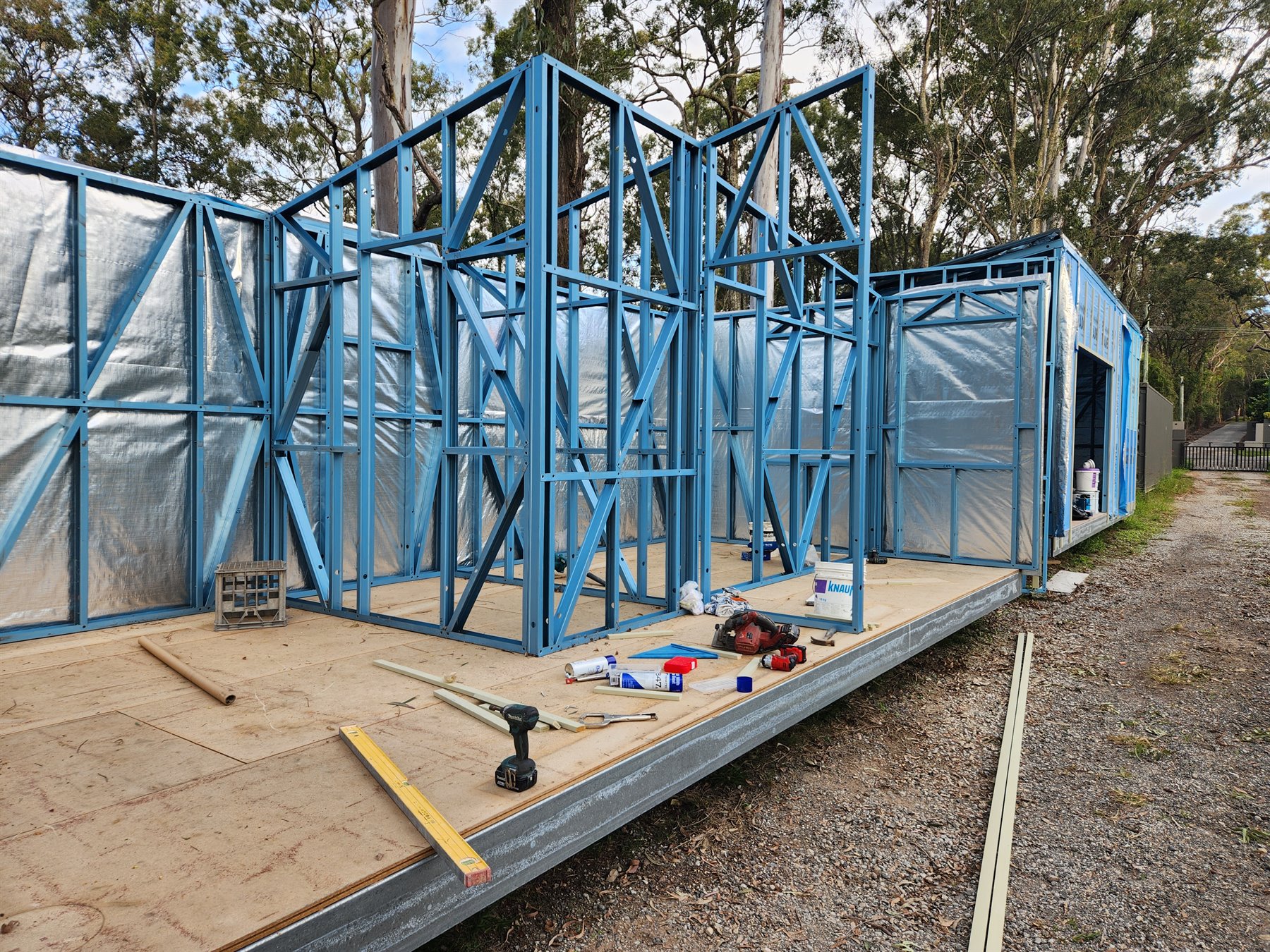
Budget checklist
Allow for the work around the home.
A useful project budget separates the home from site-specific and owner-selected items so important costs are not hidden inside one number.
Budget note: Costs, finance eligibility and approval requirements vary by project. Obtain current written advice and quotations for your property before making a commitment.
Common questions
Affordable modular-home planning
Are modular homes always cheaper?
Not automatically. They can offer a controlled construction process, but the final comparison depends on design, inclusions, site works, transport and connections.
Can I start with a headline price?
Use it only as an early guide. Ask what is included, excluded and assumed, then add the property-specific work needed for a usable home.
How can I control the budget?
Keep the brief focused, choose standard inclusions where suitable, identify site risks early and avoid late layout or finish changes.
What should I do first?
Start with your property details and the way you want to use the home. That allows design, access and budget discussions to be more realistic.
Build a clearer modular-home budget.
Tell us about your property, preferred range and priorities so we can help identify the next steps.